If you’ve ever hesitated before buying a used excavator, you’re not alone — fear of poor quality often keeps people from seeing real value in the second-hand market.
To inspect a used excavator properly, focus on mechanical conditions like engine health, hydraulic leaks, structural integrity, and undercarriage wear, not just surface appearance or paint condition.
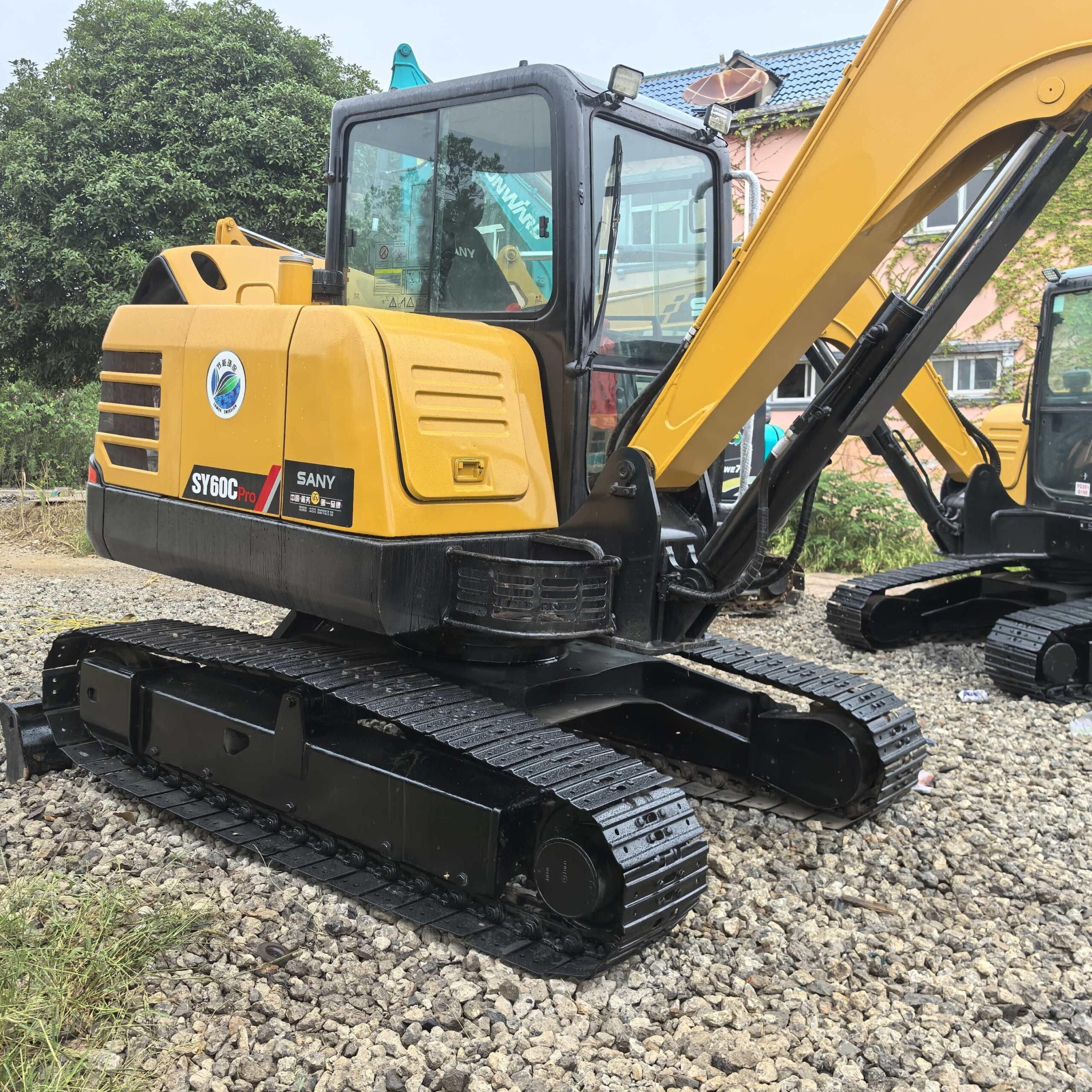
Many buyers fall into what I call the “paint trap.” They judge a used excavator by how shiny it looks, forgetting that real performance hides inside. What really matters is condition, not cosmetics. I’ve seen machines that looked rough but had untouched engines and tight hydraulic systems — those were the real gems worth every dollar. So, if you want to find value, learn to look beyond the surface.
What is the average lifespan of an excavator?
When I talk with clients, I often find their biggest fear is about longevity — they worry a used excavator will “die” too soon to be worth it.
The average lifespan of an excavator is about 8,000 to 12,000 working hours, which equals around 8 to 15 years of regular use, depending on workload and care.
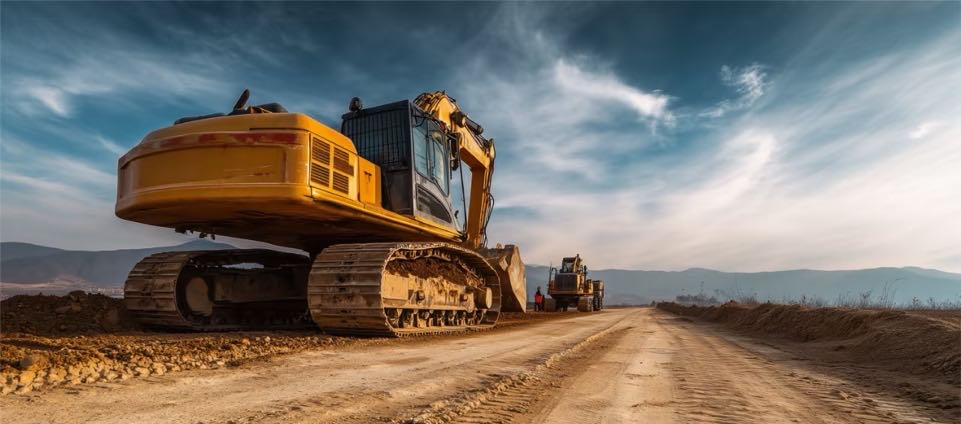
The life of an excavator is tied to how it’s treated, not just how long it’s been alive. A 5-year-old machine with 4,000 hours can still have more than half its life ahead. I’ve met buyers who rejected these mid-life machines, missing what could have been their best investment. Here’s how I assess machine longevity in practice:
| Component | Normal Lifespan (Hours) | Key Inspection Area |
|---|---|---|
| Engine | 10,000–12,000 | Compression, smoke color, idle |
| Hydraulic Pump | 8,000–10,000 | Noise, fluid leaks, response time |
| Undercarriage | 4,000–6,000 | Track tension, sprockets wear |
| Bucket & Linkages | 6,000–8,000 | Cracks, bushings, welds |
A good operator and maintenance record can extend life significantly. So, instead of fearing depreciation, calculate remaining service life. This makes you think like an investor, not a gambler.
What brand of excavator is most reliable?
Brand preferences often create more confusion than confidence. Many clients assume that “imported means better” and “domestic means cheap.” But the truth is much more balanced today.
Caterpillar, Komatsu, Hitachi, and Volvo remain known for long-term reliability, but modern Chinese brands like XCMG, SANY, and Liugong now perform closely in standard conditions with lower maintenance costs.
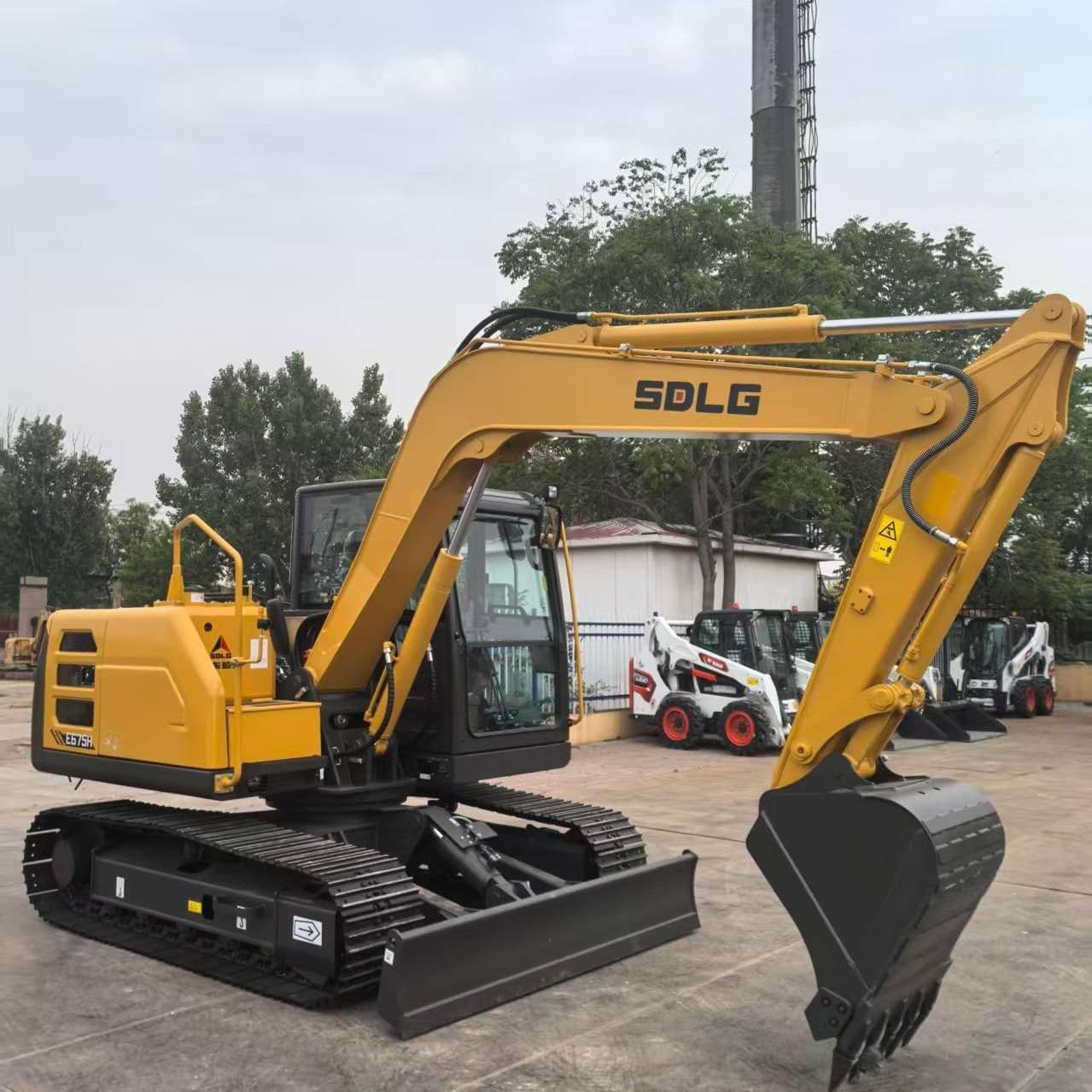
Over the years, I’ve noticed a shift — the gap between “global giant” and “local champion” is narrowing. Here’s how I usually compare them when advising a buyer:
| Brand | Strength | Challenge | Best Use Case |
|---|---|---|---|
| Caterpillar | Durable, global service network | High upfront cost | Heavy construction, long-term projects |
| Komatsu | Smooth operation, efficient hydraulics | Expensive parts | Precision earthwork, slope finishing |
| Hitachi | Excellent balance between power and control | Limited used selection in some markets | Utility and road works |
| SANY | Strong cost-performance ratio | Slightly lower resale overseas | Municipal, foundation work |
| XCMG | Reliable and low-cost parts | Regional service differences | SMEs and rental fleets |
| Liugong | Good local support | Basic cabin comfort | Road maintenance, short-term use |
It’s not always about brand prestige. Reliability today is a mix of consistent service, correct use, and timely maintenance. For many small and mid-sized companies, domestic brands offer exactly what’s needed to achieve profit faster.
Is it worth buying a used excavator?
Every conversation I have with new buyers circles back to one question: is it really worth it to buy used? Their hesitation almost always comes from fear — fear of buying someone else’s problem.
Yes, it’s worth buying a used excavator when inspected professionally, as it offers 60–70% of a new machine’s performance at only 60% of the cost, making better financial sense for most small businesses.
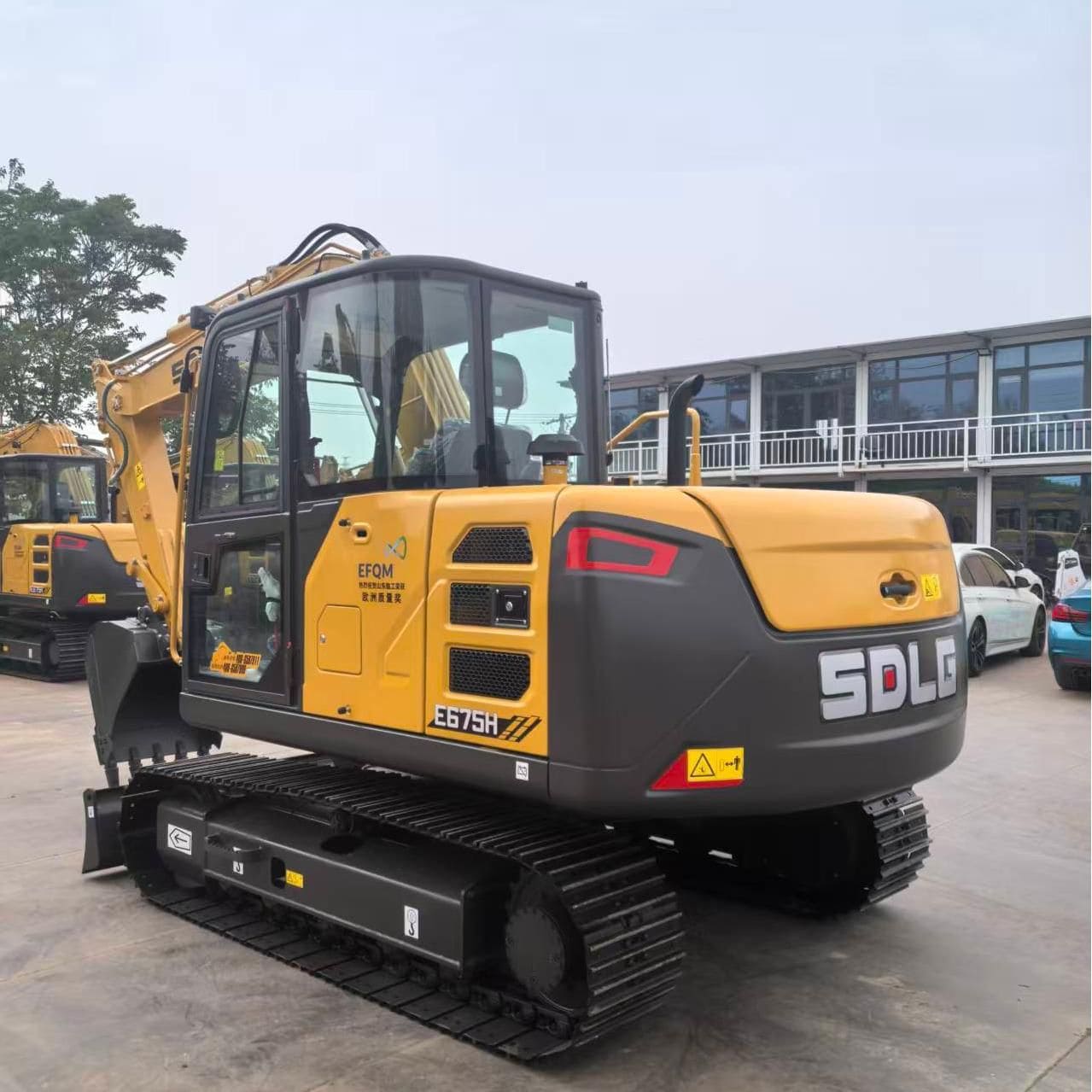
In my experience, a professionally checked used excavator is not a burden but a tool for growth. The market is no longer just a place for bargains; it’s becoming a structured, transparent space where value can be measured. Reliable records, certified inspections, and transparent hour logs change everything.
Let’s break down the key advantages:
| Factor | Used Excavator | New Excavator |
|---|---|---|
| Cost | 60–70% of new price | Full retail price |
| Depreciation | Slower after first cycle | Sharp in early years |
| ROI (Return on Investment) | Faster if used in steady projects | Slower, but stable long-term |
| Maintenance | Predictable with records | Minimal early years |
| Resale Options | Flexible | Dependent on machine cycle |
| Risk | Manageable with inspection | Lower, but higher cost entry |
For small contractors or start-up companies, a used excavator can be a way to release cash flow while still expanding capacity. Once the project pays off, you can upgrade or resell it with minimal loss. Buying used is not about settling for less — it’s about using money smarter.
Conclusion
A used excavator is not a leftover from someone else’s project—it’s an asset waiting to create value again when inspected and chosen with reason, not fear.